
Performance Under Pressure: What Facility Owners Should Expect From a Deployable Flood Barrier
A flood barrier should inspire questions—not blind confidence
When a facility is considering flood protection, it is tempting to begin with a simple promise: keep the water out. The reality is more demanding.
Water creates force. It exploits gaps, weak interfaces and incomplete preparation. Conditions vary from one site to another. And when the barrier is deployable, performance depends not only on the system itself but also on how it is specified, stored, assembled and maintained.
For facility owners, that is not a reason to avoid deployable protection. It is a reason to ask better questions.
The right flood barrier is not the one with the most dramatic marketing claim. It is the one that has been evaluated for the conditions that matter, designed for the opening it must protect and supported by a realistic operating plan.

Performance begins with the hazard
Every flood barrier is being asked to do a particular job. The job may involve standing water at a doorway, a wide loading-bay opening, a changing perimeter or a coastal site where wind and wave effects must be considered. These are not interchangeable conditions.
The starting point is therefore the hazard: expected water level, duration, flow conditions, wave action where relevant, site geometry and the consequence of failure. The next step is the interface: the threshold, supporting structure, surface condition and adjoining walls that together determine how the barrier system performs.
FEMA’s guidance for non-residential buildings makes an important distinction: flood-protection measures should be evaluated for the design flood forces and the conditions of the building. This is the language of engineering, but it leads to a practical conclusion for owners: a product specification is not a substitute for site assessment.
Testing matters because details matter
Testing is one of the most useful ways to understand a barrier system. It can demonstrate how components behave under controlled conditions, how joints and seals perform and how an assembled system responds to the forces it was designed to resist.
It also sets an expectation for the quality of the conversation. A supplier should be able to explain what a system has been tested to do, what the test conditions mean and how those conditions relate to the facility in question. Standards and certifications can be meaningful evidence, but they should be understood in context rather than treated as a universal guarantee.
For AquaFence, continuous testing is part of that discipline. The goal is not simply to show a barrier holding back water. It is to validate a system that can be deployed in the real world, repeatedly and with a high standard of engineering control.

The barrier is only one part of the system
Performance is often discussed as if it lives entirely in the panels. In reality, it lives in the system around them.
How are components identified and stored? Can a trained team access the opening during a severe-weather event? Are the seals, connections and supporting surfaces inspected? Has the deployment sequence been practiced? Is there a documented process for cleaning and checking the system after use?
Each question affects readiness. A technically capable barrier deployed incorrectly, too late or against an unsuitable interface may not deliver the outcome the facility expects. By contrast, a well-engineered system supported by good operational discipline can be a powerful part of a wider resilience plan.
This is why the most credible flood-protection conversation includes both the product and the process. Owners should expect to discuss equipment, yes—but also roles, access, training, inspection and the moment when the organization decides to act.
What ANSI/FM 2510 can contribute
ANSI/FM 2510 is a performance standard relevant to flood-abatement equipment. It can provide a valuable reference point when evaluating equipment and performance expectations. But facility owners should use any standard as part of a broader decision, not as a shortcut around site-specific assessment.
The right question is not merely, “Is this certified?” It is, “Is this system appropriate for our opening, our water conditions, our operating environment and our deployment plan?” A credible answer considers all four.
The same principle applies to every claim in flood protection. Responsible resilience planning is built on evidence, engineering judgment and practical preparation—not on certainty that no system can honestly provide.
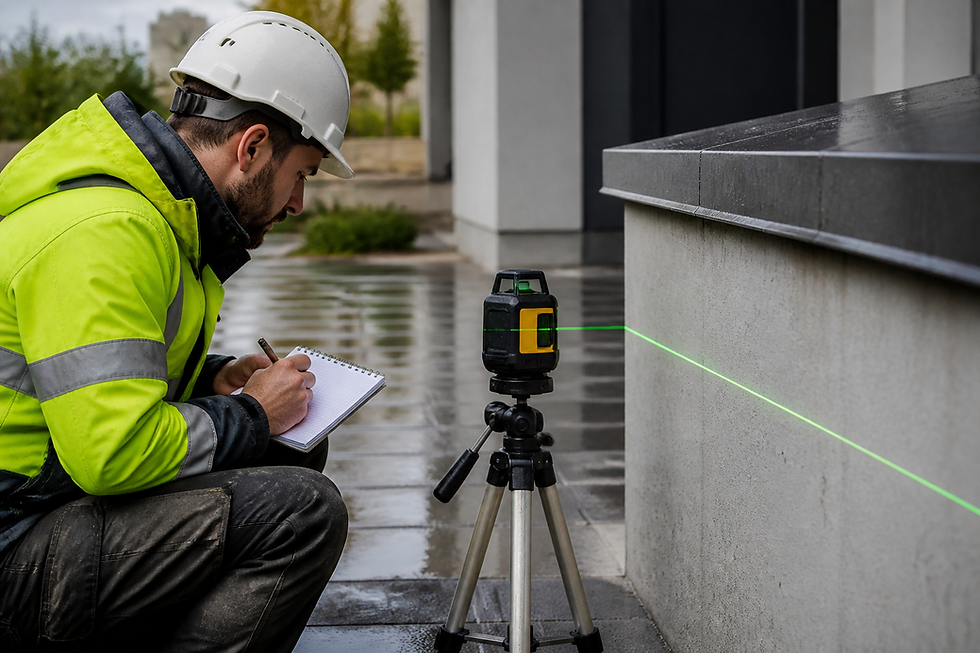
Five questions to bring to a flood-barrier evaluation
What hazard and water conditions is the system designed to address?
How will it interface with our specific opening and surrounding structure?
What testing, standards or performance evidence is available—and what does it actually demonstrate?
Who will deploy, inspect and maintain the system?
How does it fit into the facility’s wider flood-response and business-continuity plan?
Confidence should be engineered
Flood protection is too important to be reduced to a brochure claim. Facility owners deserve systems that are engineered, tested and discussed honestly—along with a clear understanding of how those systems will be used when conditions are difficult.
That is what performance under pressure really means. It means planning for the barrier, the opening, the team and the event together.
Explore AquaFence Performance and speak with our team about a flood-protection solution designed around your site.
---


