
Climate Change and Flood Risk: Why Adaptation Requires Mobile Solutions
The risk is changing faster than many facilities are adapting
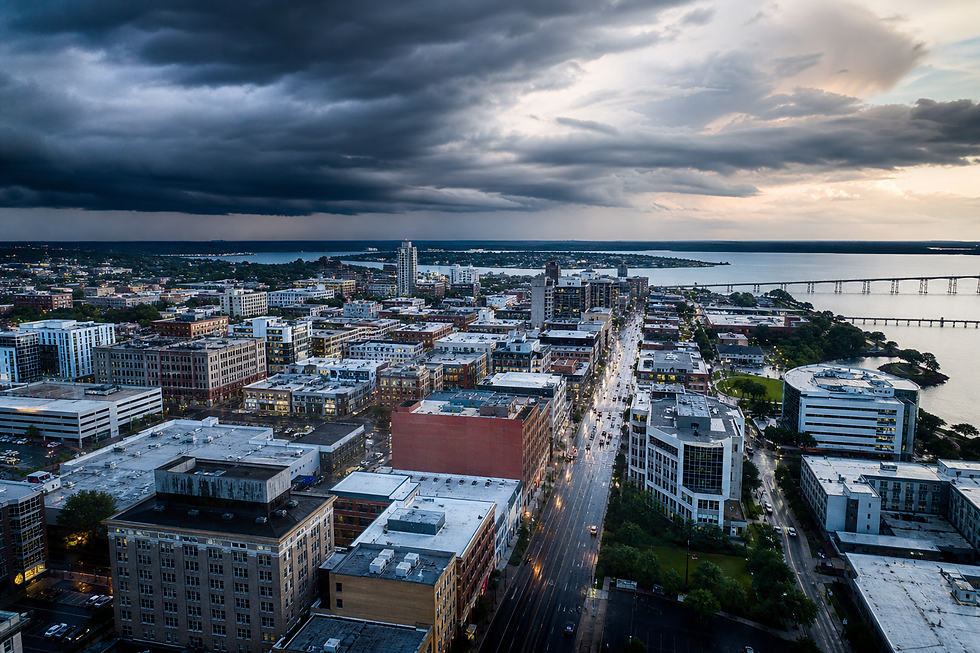
Flood risk has never been static. But many facilities were designed around historic assumptions: how often it rains, where water collects, how quickly a river rises or how much warning a coastal event provides.
Recent U.S. weather patterns are testing those assumptions. NOAA’s national analysis for 2025 described significant flooding across every season and region, including historic precipitation events that overwhelmed infrastructure. For facility leaders, the practical message is not to predict every future storm perfectly. It is to make sure the site is not relying only on yesterday’s conditions.
Adaptation begins with a more useful question: If intense water reaches this property, what must we protect in order to keep the facility useful and safe?
Adaptation is not one intervention
Climate resilience can mean many things: better drainage, raised equipment, revised access routes, stronger operational plans, permanent protection or deployable systems.
The right approach depends on the site.
For facilities with wide openings, changing access needs or architectural constraints, deployable flood barriers can add an important layer of flexibility. They allow the site to operate normally while creating a way to protect vulnerable locations during a flood threat. Used well, they complement—not replace—engineering analysis, drainage strategy, emergency planning and sound building design.
Why flexibility matters
Many facilities cannot simply build a permanent wall around themselves. Hospitals need access. Industrial sites need movement. Commercial properties need an inviting and usable public realm. Transport and utility assets must support day-to-day operations.
Mobile systems make it possible to plan for protection without treating every exposed opening as a permanent closure. The barrier can be configured for a particular line, stored when it is not needed and deployed when the site’s readiness trigger is reached.
That flexibility is valuable only when it is credible. The system must fit the surface and opening, be accessible to the deployment team and be supported by maintenance and training. Adaptation is successful when it works not just in a plan, but on a difficult day.

Move from climate concern to facility action
The following steps help turn a broad climate-risk discussion into a practical resilience program:
1. Review how water could reach the property, including local drainage and access constraints.
2. Identify the operations, equipment and routes that matter most.
3. Evaluate permanent, operational and deployable measures together.
4. Establish a trigger, storage plan and trained deployment team.
5. Review the plan after severe-weather events and exercises.
FEMA’s non-residential floodproofing guidance supports this kind of site-specific approach. Complex facilities often require a combination of measures, evaluated for their actual conditions rather than selected from a generic list.
Resilience is a continuing practice
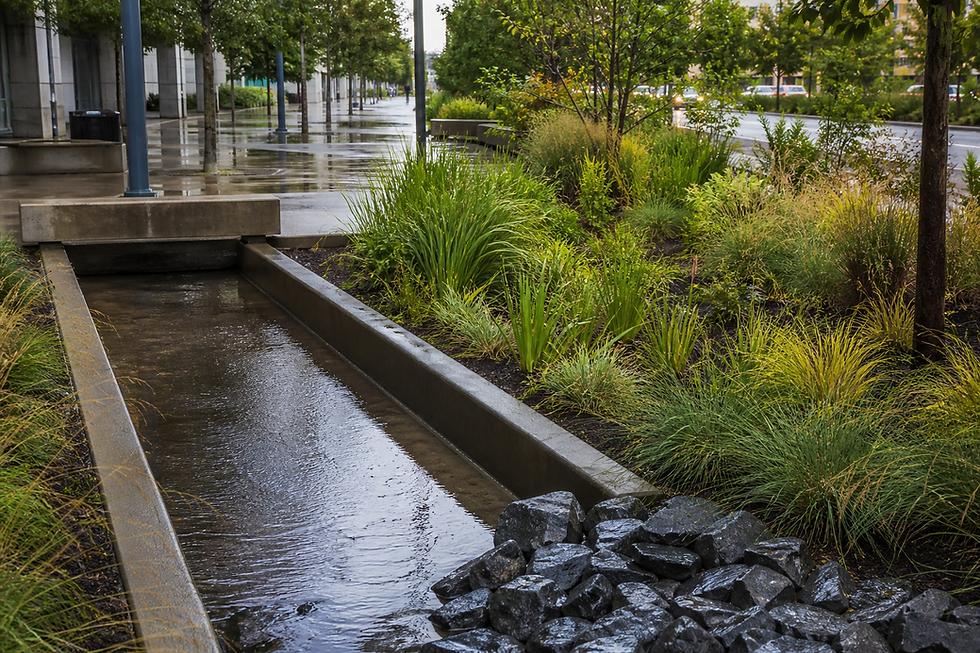
Flood adaptation is not a one-time response to a headline. It is an operating discipline: reassessing exposure, protecting the functions that matter and improving the response before the next event.
AquaFence helps facilities bring deployable protection into that discipline, with engineered systems designed around the conditions and operations of the specific site.
Explore AquaFence solutions for critical facilities, vulnerable openings and site-specific flood resilience.
---
Sources for publication
[NOAA: Assessing the U.S. Temperature and Precipitation Analysis in 2025](https://www.ncei.noaa.gov/news/national-climate-202513)
[FEMA P-936: Floodproofing Non-Residential Buildings](https://www.fema.gov/sites/default/files/2020-07/fema_p-936_floodproofing_non-residential_buiildings_110618pdf.pdf)


